


Blog
Best Herbal Tea for Stress Relief: A Complete Guide

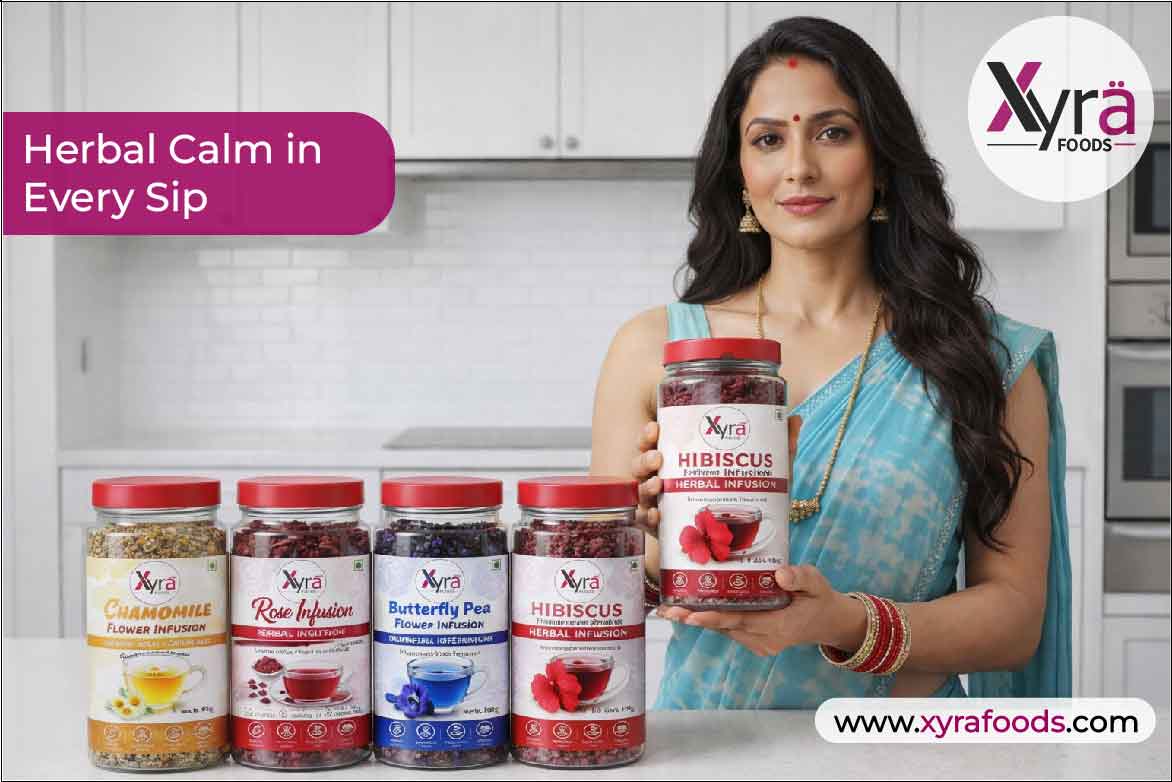
Stress affects millions of people every day. It can impact your mind, body, and overall health. However, nature offers gentle and effective solutions. Herbal tea is one of the oldest remedies for stress relief. It is safe, calming, and easy to prepare. Many cultures have used herbal tea for centuries to relax the mind.
In this guide, you will learn about the best herbal teas for stress relief. You will also learn how they work and how to drink them safely.
What Is Herbal Tea?
Herbal tea is not true tea from the Camellia sinensis plant. Instead, it comes from herbs, flowers, roots, and spices. People also call it tisane. It does not contain caffeine unless mixed with true tea leaves. This makes herbal tea ideal for relaxation and sleep.
How Herbal Tea Helps with Stress
Stress triggers your body’s fight-or-flight response. This increases cortisol and adrenaline levels. Herbal teas contain natural compounds that calm your nervous system.
They help in several ways:
- Reduce cortisol levels
- Promote relaxation
- Improve sleep quality
- Reduce anxiety symptoms
- Support digestion and mood
As a result, herbal tea becomes a simple daily stress-management tool.
Top 12 Best Herbal Teas for Stress Relief
Below are the most effective and research-supported herbal teas for stress.
Chamomile Tea
Chamomile is one of the most popular calming teas. It has a mild floral taste and soothing aroma.
Benefits of Chamomile Tea
- Reduces anxiety
- Improves sleep
- Relaxes muscles
- Supports digestion
Chamomile contains apigenin, a natural sedative compound. It binds to brain receptors and promotes calmness.
How to Drink
Drink one cup before bedtime.
You can also drink it during stressful days.
Lavender Tea
Lavender is famous for its calming scent. It is widely used in aromatherapy and herbal remedies.
Benefits of Lavender Tea
- Reduces anxiety
- Lowers heart rate
- Improves sleep
- Enhances mood
Lavender contains linalool, which has calming effects on the brain.
How to Drink
Drink lavender tea in the evening. Avoid large amounts during pregnancy.
Peppermint Tea
Peppermint tea is refreshing and soothing. It helps the mind and the digestive system.
Benefits of Peppermint Tea
- Relieves tension headaches
- Improves digestion
- Reduces stress-related nausea
- Refreshes the mind
Peppermint has menthol, which relaxes muscles and nerves.
Lemon Balm Tea
Lemon balm belongs to the mint family. It has a mild citrus flavor and calming effects.
Benefits of Lemon Balm Tea
- Reduces anxiety
- Improves sleep
- Boosts mood
- Enhances cognitive function
Research shows lemon balm can lower stress hormones.
Ashwagandha Tea
Ashwagandha is an adaptogenic herb from Ayurveda. It helps the body handle stress better.
Benefits of Ashwagandha Tea
- Lowers cortisol levels
- Improves energy
- Reduces anxiety
- Enhances sleep
It is ideal for chronic stress and burnout.
Holy Basil (Tulsi) Tea
Tulsi is sacred in Indian tradition. It is also a powerful adaptogen.
Benefits of Tulsi Tea
- Reduces stress and anxiety
- Boosts immunity
- Supports heart health
- Improves mental clarity
Tulsi balances stress hormones naturally.
Valerian Root Tea
Valerian root is known as nature’s tranquilizer. It is commonly used for insomnia.
Benefits of Valerian Tea
- Promotes deep sleep
- Reduces anxiety
- Relaxes muscles
- Improves nervous system function
Valerian has a strong earthy taste. You can mix it with honey or lemon.
Passionflower Tea
Passionflower is a calming herb used in traditional medicine.
Benefits of Passionflower Tea
- Reduces anxiety
- Improves sleep quality
- Calms nervous tension
- Supports mood balance
It increases GABA levels in the brain, which promotes relaxation.
Green Rooibos Tea
Rooibos is a caffeine-free herbal tea from South Africa.
Benefits of Rooibos Tea
- Reduces stress
- Rich in antioxidants
- Supports heart health
- Improves sleep
It has a naturally sweet and earthy flavor.
Ginger Tea
Ginger tea is warming and soothing. It helps both mind and body.
Benefits of Ginger Tea
- Reduces stress-induced nausea
- Improves digestion
- Reduces inflammation
- Boosts circulation
It is great during stressful travel or workdays.
Fennel Tea
Fennel tea is calming and digestive.
Benefits of Fennel Tea
- Relieves stomach cramps
- Reduces anxiety
- Improves digestion
- Supports hormonal balance
It has a mild licorice taste.
Hibiscus Tea
Hibiscus tea is bright, tart, and refreshing.
Benefits of Hibiscus Tea
- Lowers blood pressure
- Reduces stress
- Rich in antioxidants
- Improves mood
It is best served cold or hot with honey.
How to Choose the Best Herbal Tea for Stress
Different teas work best for different stress types.
For Anxiety and Nervousness
- Chamomile
- Lavender
- Passionflower
For Sleep Problems
- Valerian root
- Chamomile
- Lemon balm
For Chronic Stress and Fatigue
- Ashwagandha
- Tulsi
- Rooibos
For Digestive Stress
- Peppermint
- Ginger
- Fennel
How to Brew Herbal Tea Properly
Proper brewing ensures maximum benefits.
General Brewing Steps
- Boil fresh water.
- Add one teaspoon of dried herb per cup.
- Steep for 5 to 10 minutes.
- Strain and enjoy.
You can add honey, lemon, or cinnamon for taste.
Best Time to Drink Herbal Tea for Stress
Timing matters for the best results.
Morning
Tulsi, rooibos, and ginger are ideal.
They provide calm energy without caffeine.
Afternoon
Peppermint and lemon balm are great.
They refresh and reduce mental fatigue.
Evening
Chamomile, valerian, and lavender work best.
They prepare your body for sleep.
Scientific Evidence Supporting Herbal Tea
Many studies support herbal tea benefits.
- Chamomile improves sleep and reduces anxiety.
- Ashwagandha lowers cortisol levels significantly.
- Lemon balm improves mood and cognitive function.
- Passionflower helps with insomnia and anxiety.
Herbal teas are widely used in clinical herbal medicine.
Are Herbal Teas Safe?
Herbal teas are generally safe for most people.
However, some precautions apply.
Safety Tips
- Avoid valerian if you take sedatives.
- Consult a doctor during pregnancy.
- Avoid allergic herbs if you have sensitivities.
- Use moderate amounts daily.
Why Choose Herbal Tea Over Stress Medications?
Herbal tea offers gentle and natural stress relief.
Key Advantages
- No addiction risk
- Fewer side effects
- Affordable and accessible
- Supports overall health
However, severe anxiety needs medical guidance.
Herbal Tea and Mindful Living
Herbal tea works best with a healthy lifestyle.
Combine Herbal Tea With
- Meditation
- Exercise
- Deep breathing
- Balanced diet
- Adequate sleep
This holistic approach improves long-term stress management.
How to Store Herbal Tea
Proper storage preserves flavor and potency.
Storage Tips
- Keep in airtight containers.
- Store in a cool and dark place.
- Avoid moisture and sunlight.
High-quality herbal tea can last up to two years.
Why Buy Herbal Tea from Xyra Foods
- Xyra Foods focuses on purity and quality.
- Our herbal infusions are sourced responsibly.
- They follow strict quality standards.
Choosing trusted brands ensures safety and effectiveness.
Frequently Asked Questions (FAQs)
Which herbal tea is best for anxiety?
Chamomile, lavender, and passionflower are highly effective.
Which tea helps with sleep?
Valerian, chamomile, and lemon balm are excellent.
Can I drink herbal tea every day?
Yes, most herbal teas are safe for daily use.
Is herbal tea better than green tea for stress?
Herbal tea is caffeine-free and more calming.
How many cups should I drink?
Two to four cups per day is generally safe.
Final Thoughts
Herbal tea is a simple and natural way to reduce stress.
It supports mental calm, better sleep, and overall wellness.
Each herb offers unique benefits, so you can choose based on your needs.
Consistency is key for long-term stress relief.
Adding herbal tea to your daily routine can transform your well-being.
It is gentle, effective, and backed by tradition and science.